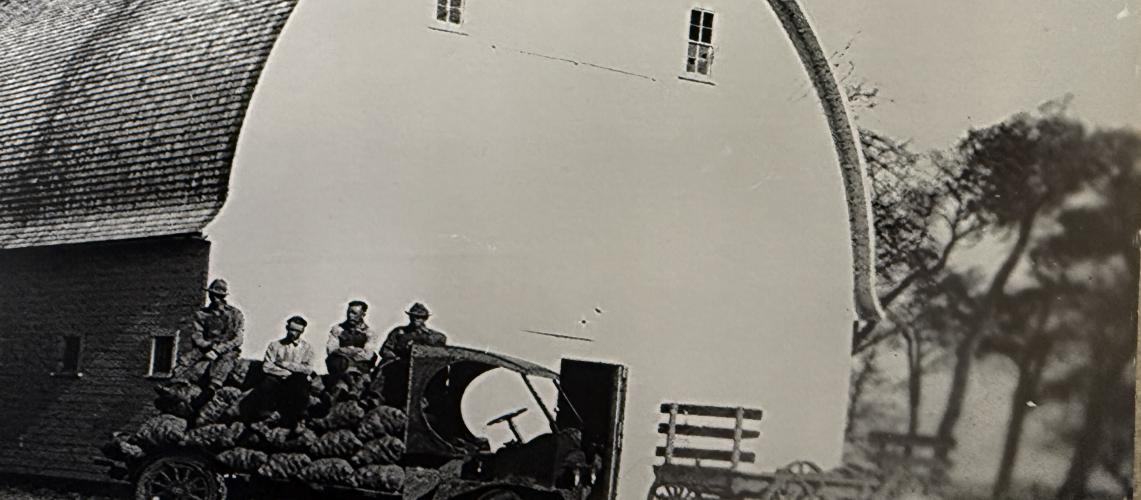
Generations of Stewardship
A conversation with a Northern Red River Valley farmer on family and the legacy of caring for the land.
As America celebrates 250 years of independence, I sat down with Loren Estad, a farmer from the Northern Red River Valley, to talk about family, legacy, and stewardship.
For generations, his family has weathered the challenges that have shaped our nation. From world wars, military drafts, the Great Depression, economic recessions, changing markets, and the ever-present uncertainty of farming itself.
His story is one of thousands that have helped shape rural America. Stories of resilience, sacrifice, hard work, and a deep commitment to the land.
Pull up a chair and join me as we look back on a family's journey through generations of American agriculture.
About Their Family Legacy
Q: How many generations has your family been farming?
A: “I am the fourth generation.”
Q: Can you tell us the story of how your family’s farm began?
A: “My family came over from Norway and came through Canada and into the U.S. in 1907. Then bought and took over an established farmstead.”
Q: What does it mean to continue a legacy that has been passed down through generations?
A: “It’s something I take seriously. I take a lot of pleasure in knowing that I’m part of that legacy.”
Q: Are there traditions your family still follows today that have been carried on for decades?
A: “We started raising potatoes in 1907. We still are today. 120 years later.”
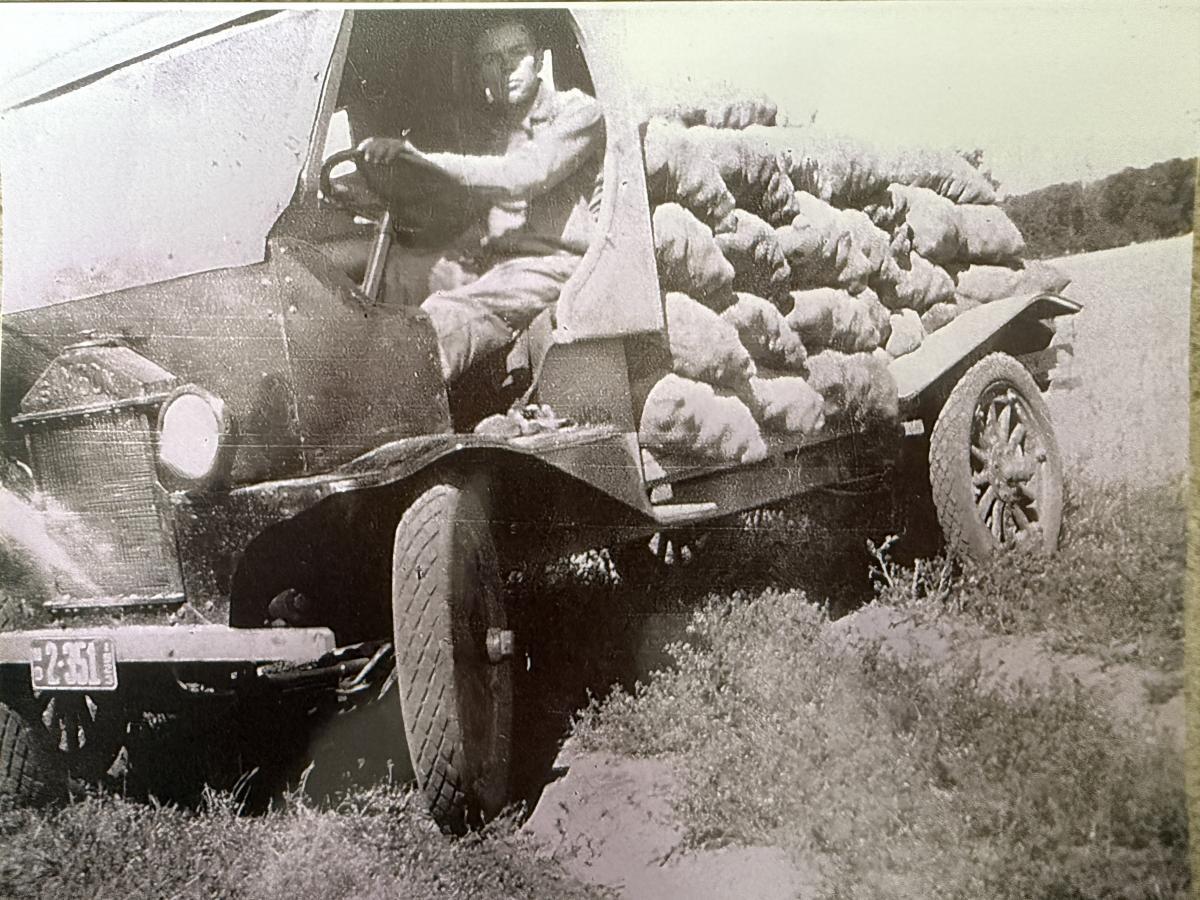
Loren’s Grandfather with a load of spuds. The license plate says 1923.
Stewardship of the Land
Q: How has caring for the land changed from your grandparents' time to today?
A: “I suppose fertilizer is probably the biggest game changer. It came in the late 50s and 60s here. The soils around here, I guess we were fortunate enough to settle in the Red River Valley. And then with the fertilizer, the ability to start fertilizing, that really made things a lot more productive.”
Q: How do you hope to leave the farm for the next generation?
A: “Better than I found it.”
Looking Back
Q: If your great-grandparents could see your operation today, what do you think would surprise them most?
A: “The size and efficiency of everything now. I think everything you did back then was a lot of work. Just the minor, the smallest details of even getting the kids to school was a lot of work. Or going to the store. Once they got rid of using horses, that made things go a lot better. Dad was 16 when they got electricity which would have been in the late 40s. If you think about it, they went the first 40 some years here without electricity even.”
Q: What lessons from previous generations still guide the decisions you make today?
A: “You’re never done learning. Always a constant and something new to learn. I’ve never been afraid to do that.”
Looking Ahead
Q: What gives you hope for the future of agriculture?
A: “Times have always been tough, but sometimes they are tougher than others.”
Q: What advice would you give young farmers who hope to continue their family's operation?
A: “Hard work usually gets you where you need to be. Don’t be afraid to put in the effort.”
Q: What do you hope your children or grandchildren remember about farming with you?
A: “I hope they remember how lucky I was to be the fourth generation to carry on our family’s legacy. Whether it’s by choice or because of need, hard work is still where it’s at.”
Tying Into America's 250th Anniversary
Q: As America celebrates 250 years, what does farming mean to the American story?
A: “Up until 2 generations ago, it meant everything. Everybody was still in touch with agriculture one way or another. It’s gotten easier for people to not be concerned with agriculture as much as they used to be. Anytime there was a war, I think people were threatened of starving to death and going hungry. There was always a fear of going hungry up until the last couple of generations. That is the biggest change. When that gets a few generations removed, people forget what it’s like to be hungry. We’re pretty fortunate here now.”
Q: How has the opportunity to own and work land shaped your family's future?
A: “For us it’s been a positive. Never regretted getting additional land or purchasing additional land whenever the opportunity came. It’s been a positive from the get-go and I encourage everybody to purchase land young. Don’t wait until you can afford it because it’ll never happen.”
Q: Why do you think preserving family farms is important for future generations?
A: “Sentimental reasons more than anything. It’s important to have boots on the ground. To have the actual farmers doing the farming and the ranchers doing the ranching.”
Q: What does freedom mean to you as someone who works the land every day?
A: “I really appreciate the ability to make choices as I see fit. Whether making decisions for today, next year, or decades into the future, every choice matters. Always having our own discretion that allows us to do that.”
Q: If you could leave one message for future generations of farmers 250 years from now, what would you want them to know?
A: “Take care of the soil and it will take care of you.”
Before wrapping up our conversation, Loren shared two sayings he often comes back to. They serve as a reminder that while agriculture is rooted in tradition, it also requires a willingness to embrace change.
“Don’t let traditions of the past stop progress of the future.”
“Sometimes you have to take a picture and hang it on the wall and move on to creating new memories.”
Author Bio: Michela Meyer is the Social Media Coordinator at Pifer’s Auction & Realty, where she leads the company’s digital presence and marketing efforts across social platforms. She creates and manages content that highlights auctions, land sales, and company events, helping connect buyers and sellers through engaging and strategic digital campaigns.